

Why HELZ

About HELZ Energy

Not just a cabinet — a complete commercial & industrial storage partnership.

Inside HELZ

A look inside our own manufacturing base — factory, production line and quality control.

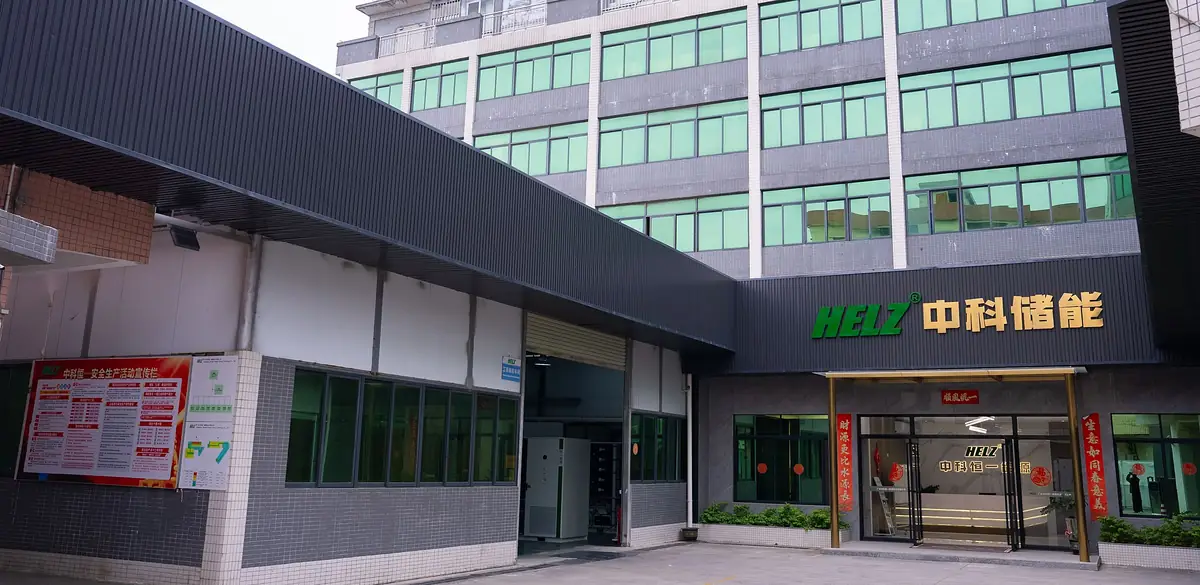
HELZ manufacturing campus — Guangzhou, China
Our FactoryOur dedicated manufacturing campus — Guangzhou, China.
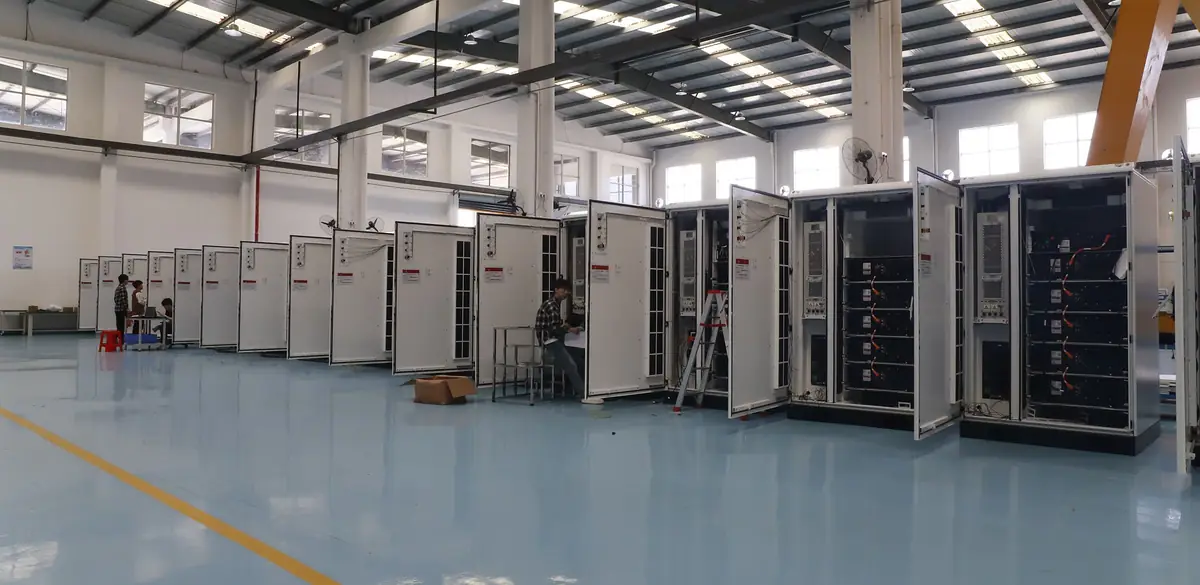
HELZ cabinet assembly production line
Production LineCabinet assembly, wiring and calibration under one roof.
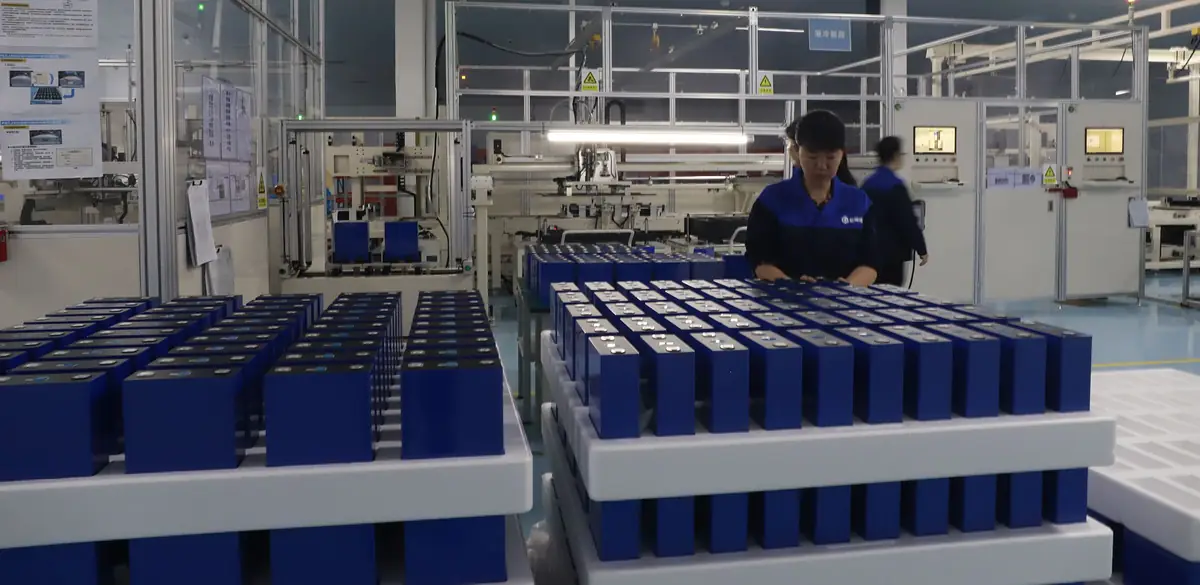
HELZ battery module inspection and testing
Our Quality ControlModule-level inspection and cycle testing before every shipment.
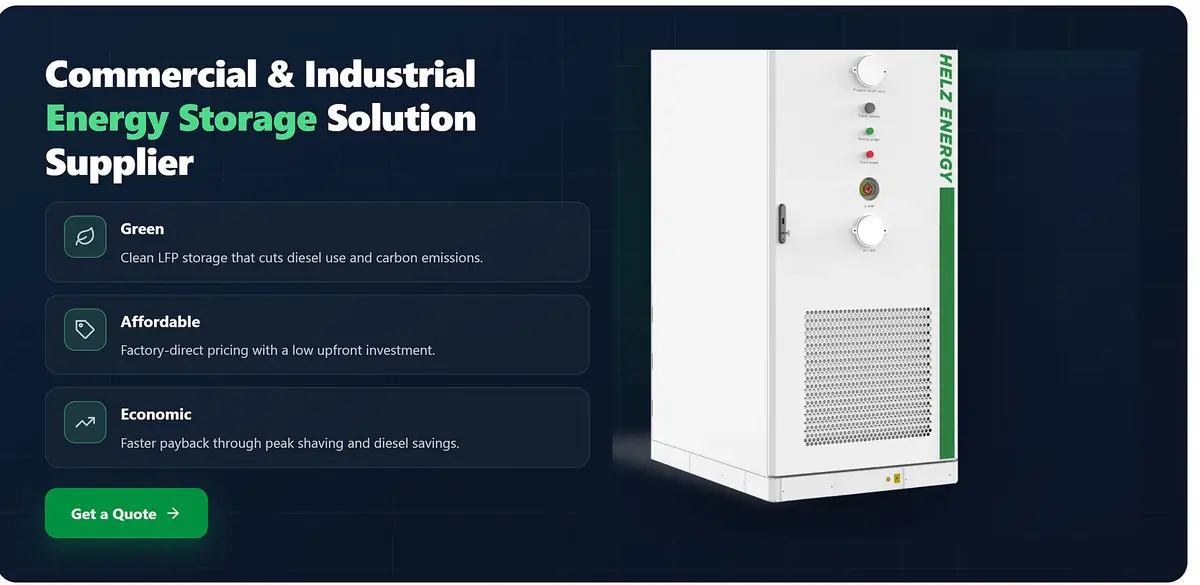
HELZ official homepage — Commercial & Industrial Energy Storage Solution Supplier

HELZ Energy is a commercial & industrial energy storage solution supplier based in Guangzhou, China. Combining battery technology and power-electronics know-how with system-level engineering, we design and deliver complete storage systems — from a single all-in-one cabinet to MW-scale plants — for On-grid, Weak Grid and Off-grid sites.

Our own manufacturing base handles cabinet assembly, wiring and calibration under one roof. Every system is built on automotive-grade 314 Ah LFP cells with cell-level BMS balancing and full cycle logging — designed for 8,000 cycles and reliable operation from −30 to 55 °C.

Working factory-direct with global partners, we support each project from system sizing and firmware branding to documentation and lifecycle service — 48-hour engineering response, no middle layer. From cutting energy costs to backing up critical loads, HELZ helps businesses build resilient, sustainable power systems.

100%in-house factory production
3,000+MWh production capacity
1,000+ESS delivered
10+countries served
OEM/ODMcustom branding
Application Scenarios

Where Our Systems Are Deployed

From a single villa to a mining concession — eight terrains, one product family.

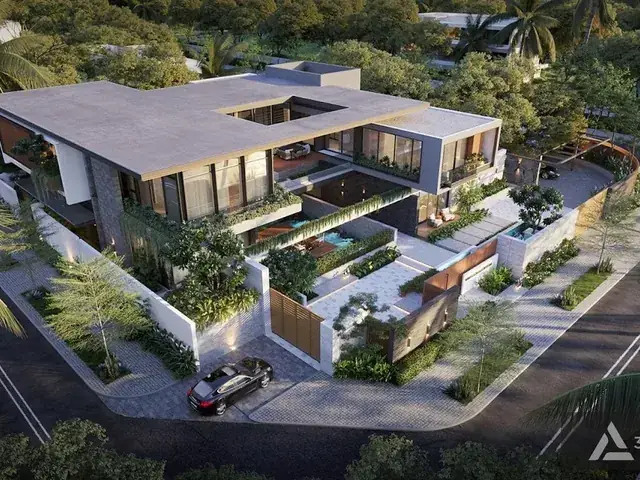
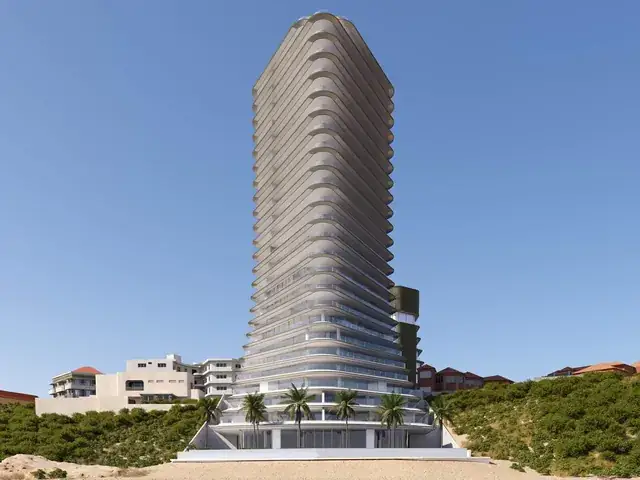
Villa powered by HELZ hybrid ESS
VillaWhole-home backup that outlasts any outage
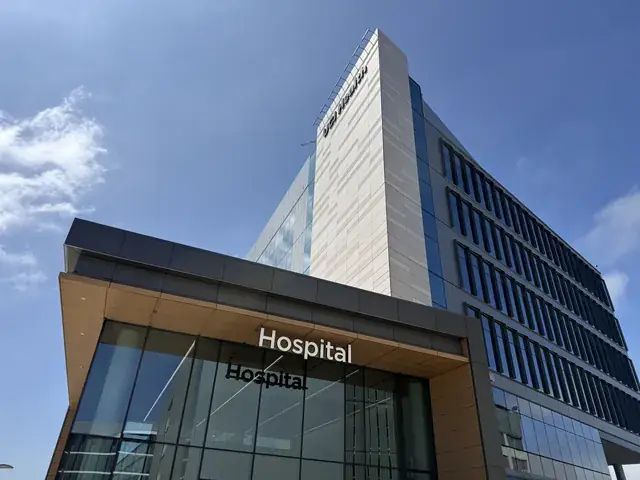
Hospital powered by HELZ hybrid ESS
HospitalZero-interruption power for critical care
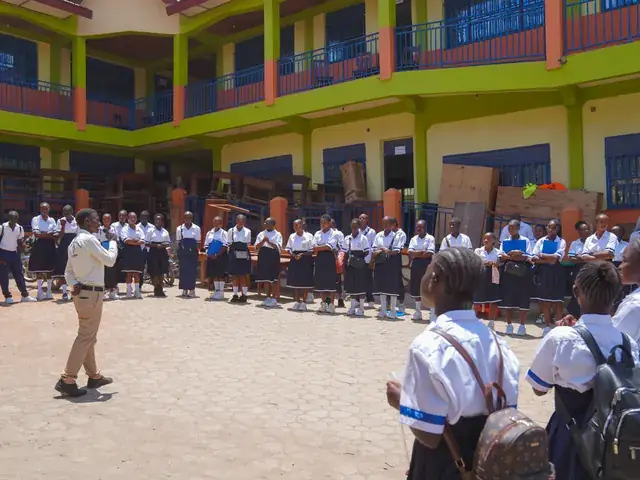
School powered by HELZ hybrid ESS
SchoolReliable classrooms, lower electricity bills
Hotel powered by HELZ hybrid ESS
HotelGuest comfort that survives load-shedding
Supermarket powered by HELZ hybrid ESS
SupermarketCold chain and tills never go dark
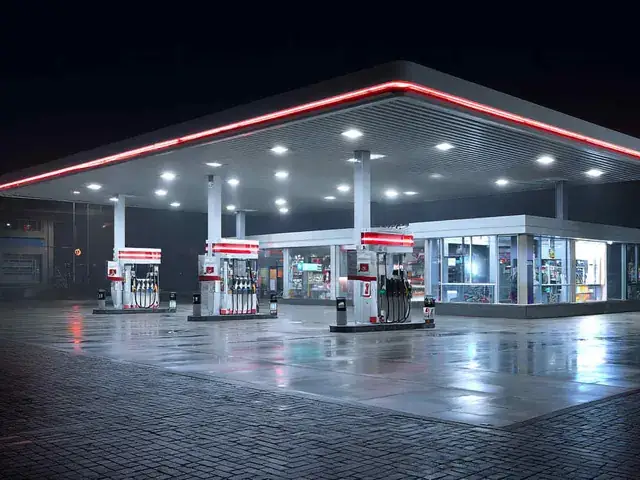
Gas Station powered by HELZ hybrid ESS
Gas StationPumps and payments stay online 24/7
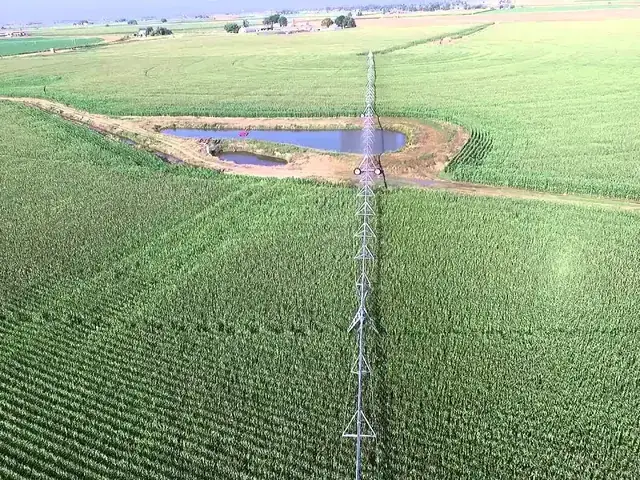
Farm powered by HELZ hybrid ESS
FarmIrrigation that never waits for the grid
Mining powered by HELZ hybrid ESS
MiningDiesel displacement at remote sites
Still between two models? Send us your load profile — our engineers will confirm the right fit within 24 hours.
Ask an Engineer

HELZ C&I Solution

Better CAPEX, lower OPEX, higher lifetime returns — factory-direct from cell to system.

Better CAPEX

Factory-direct, no middle layer. Pre-wired all-in-one cabinets cut integration and installation cost; OEM/ODM available.

Lower OPEX

8,000-cycle automotive-grade LFP, high round-trip efficiency and remote O&M with OTA updates keep running costs low.

Higher Returns

Smart EMS extracts more value from every kWh — peak shaving, TOU arbitrage and backup that lift lifetime IRR.

① Micro-grid PV+ESS System

PV MPPT PV MPPT Hybrid PCS Battery cabinet Load Grid ATS Generator DC AC

In microgrid scenarios, the system operates independently to ensure a continuous and reliable power supply. When solar energy is abundant, it powers the loads and charges the battery. When there is a power outage on the grid at night, the battery discharges to supply the loads. If both solar and battery energy are unavailable, a diesel generator automatically starts to maintain uninterrupted power. This seamless coordination among solar, battery, grid, and diesel generator guarantees stable and resilient energy for microgrid applications.

② On-grid PV+ESS System

AC busbar Communication cable Grid Transformer STS Solar Panels Load EV charger Local Control ESS ESS Optional Generator

In scenarios with a stable grid power supply, the system intelligently optimizes energy utilization to maximize solar self-consumption and user benefits. When solar generation is abundant, excess energy is stored in the battery. When solar power becomes insufficient, the system seamlessly discharges the battery to power the loads, ensuring efficient energy management and enhanced economic returns.

01

PV Array

PV (photovoltaic): solar panels that convert sunlight directly into DC electricity — the system’s primary energy source. External MPPT controllers keep every string at its maximum-power point.

02

Hybrid PCS

PCS (power conversion system): the bidirectional inverter at the center of the topology — it turns DC from PV and battery into AC for the loads, and AC back into DC for charging.

03

Battery Cabinet

Battery cabinet: racks of LiFePO₄ (LFP) cells that store solar energy for night use and cloudy days — its capacity decides how long the site can run without sun or grid.

04

Static Transfer Switch

STS (static transfer switch): a power-electronic switch that hands the load between two AC sources in milliseconds — faster than any equipment can notice, so the power never blinks.

05

Grid & Diesel Input

Backup AC sources: the grid where available, a diesel genset where not. Both land on the shared AC bus and are dispatched automatically by working mode and site conditions.

06

Smart BMS / EMS

BMS (battery management system) protects and balances every cell; EMS (energy management system) is the brain that decides when to charge, discharge, or switch sources.

Product Highlights

Six details that make the difference on real C&I sites.

All-in-One DesignPCS, LFP packs, STS & EMS pre-wired in a single IP54 outdoor cabinet — plug & play on site.
<20 ms TransferUPS-grade static switching between sources — sensitive loads never see the outage.
Smart EMSAuto mode switching with peak shaving, TOU arbitrage and genset coordination.
Remote O&MRS485 / CAN / Ethernet with optional 4G — app & web portal, OTA firmware updates.
8,000 CyclesAutomotive-grade 314 Ah LFP cells — roughly 10 years of daily cycling.
-30~55 °C OperatingWide temperature range with smart derating above 45 °C for hot climates.
Scenarios & Solutions

How to Choose Your Right Solution?

Three steps from load data to the right system — one AC bus, three working modes, from a single all-in-one cabinet to multi-container plants.

1
Calculate Peak Load (kW)Your heaviest simultaneous demand sizes the PCS
2
Determine Backup Need (kWh)Runtime without grid or sun sizes the battery
3
Find Your Match BelowFrom one cabinet to MW-scale plants
Tier 1 · Up to 125 kW

Light Commercial & Residential

≤ 125 kW loads

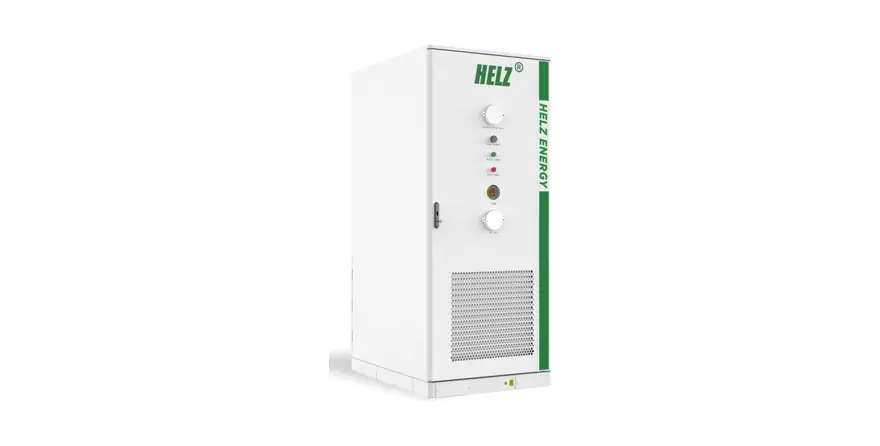
64–144 kWh All-in-One

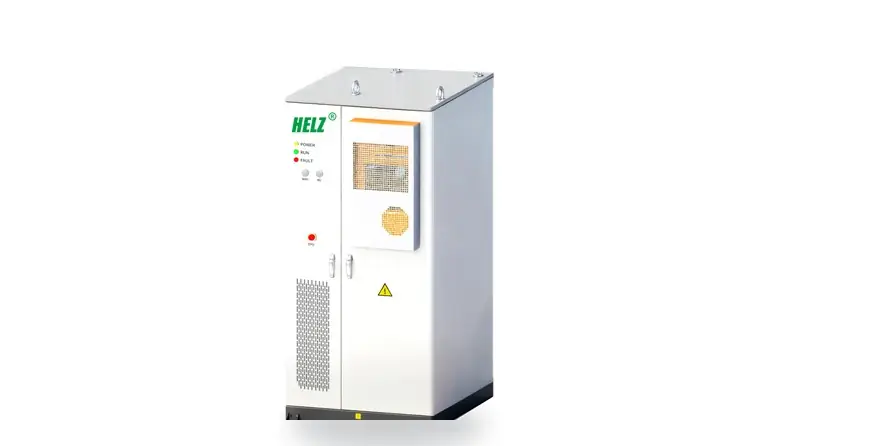
Compact all-in-one cabinet with built-in hybrid inverter(PCS, EMS,STS,MPPT).

  • 30–60 kW loads
  • PV 150–950 V MPPT · ≤ 10 ms switching
  • 30–60 kW PCS · 64–144 kWh LFP (H64-32L → H144-60L)
VillaSmall storeClinic
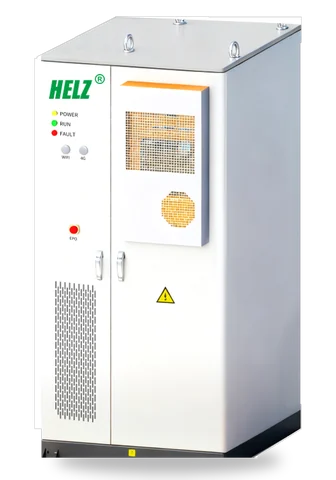
HELZ 64–144 kWh air-cooled all-in-one ESS cabinet with built-in hybrid inverter
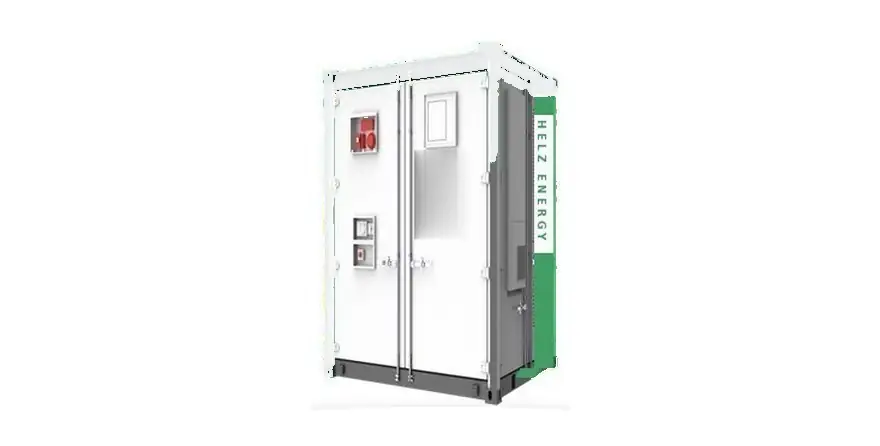
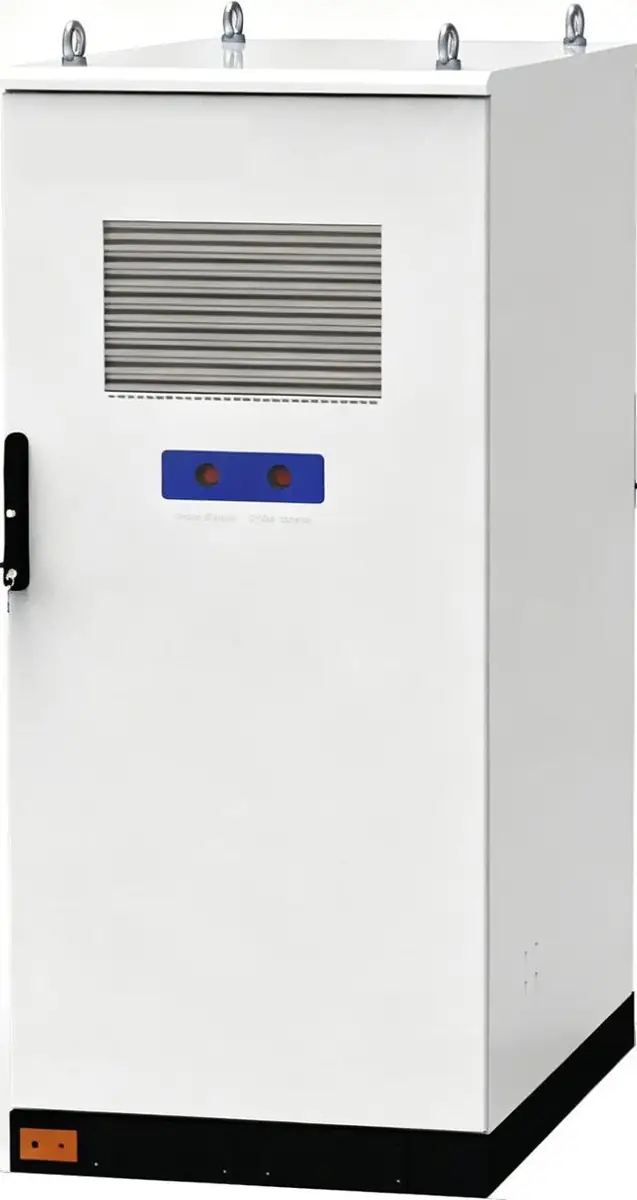
125 kW / 261 kWh Liquid-Cooled + MPPT

Compact all-in-one cabinet with built-in PCS, EMS,STS, Optional External MPPT

  • 60–125 kW loads
  • Max. PV: 200 kW (MPPT Model 200G)
  • 125 kW PCS · 261 kWh LFP + external MPPT controller
Bank branchChurchSchool
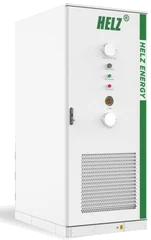
HELZ H261-125L 125 kW / 261 kWh liquid-cooled battery cabinet for external MPPT pairing
Tier 2 · 500–3000 kW

C&I / Agricultural

500–3000 kW loads

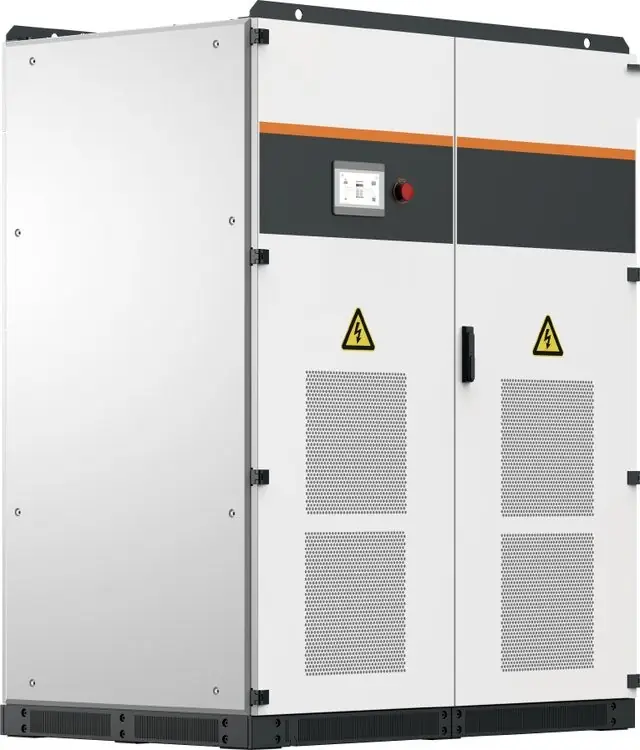
200~500 kW Hybrid Inverter Cabinet

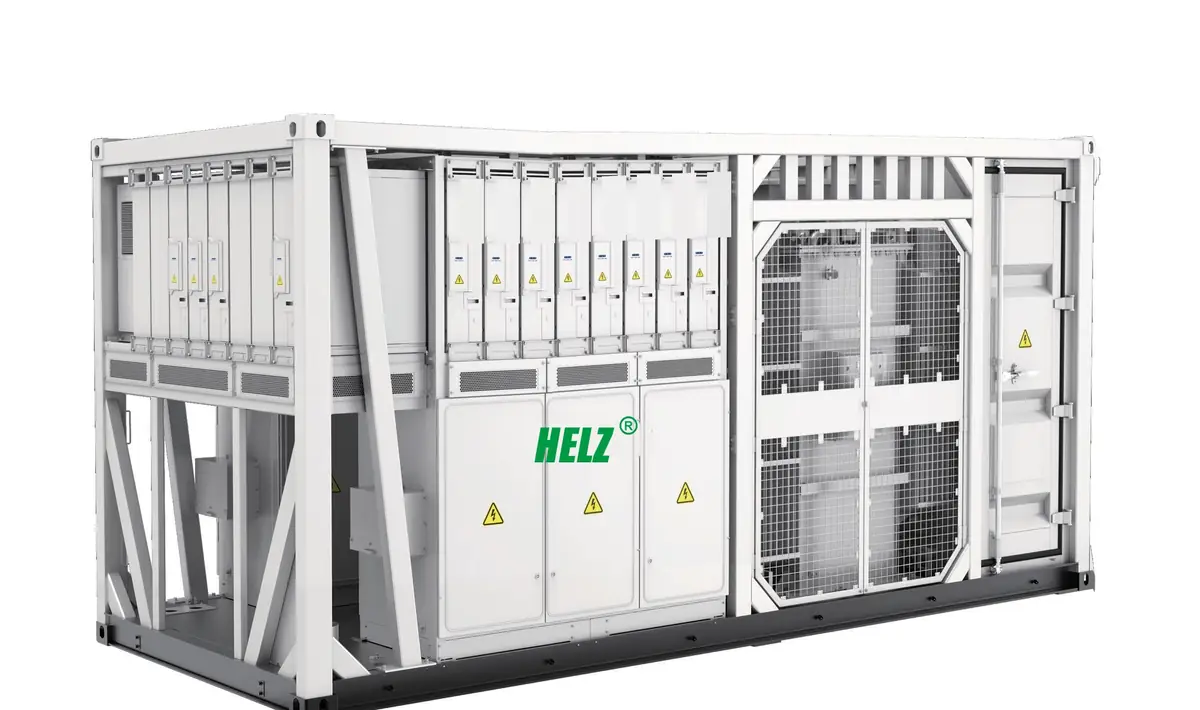
Hybrid inverter cabinet integrating MPPT, PCS, STS and isolation transformer + N * Battery Cabinet.

  • 500–1,000 kW loads
  • Max. PV: 450~1000 kW
  • 335KW/500KW Hybrid Inverter + (2~4) x 261KWh BESS.
HospitalHotelSupermarket
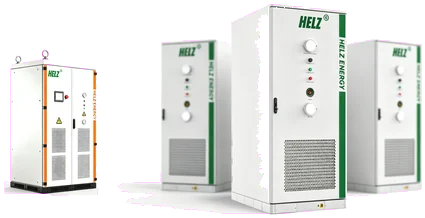
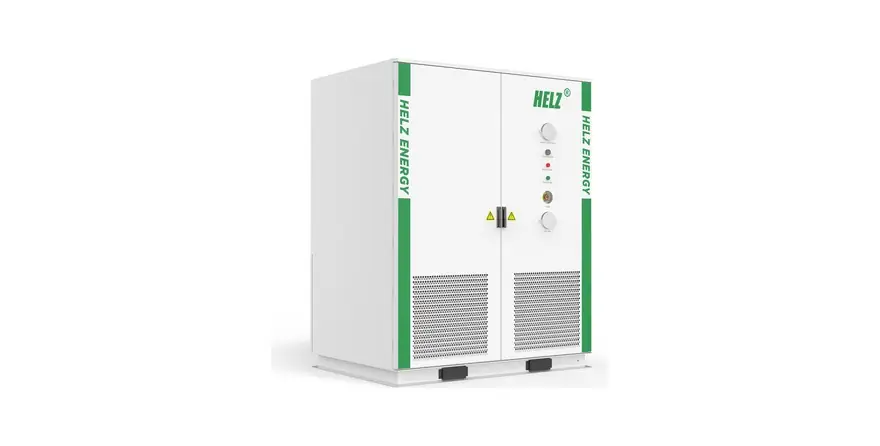
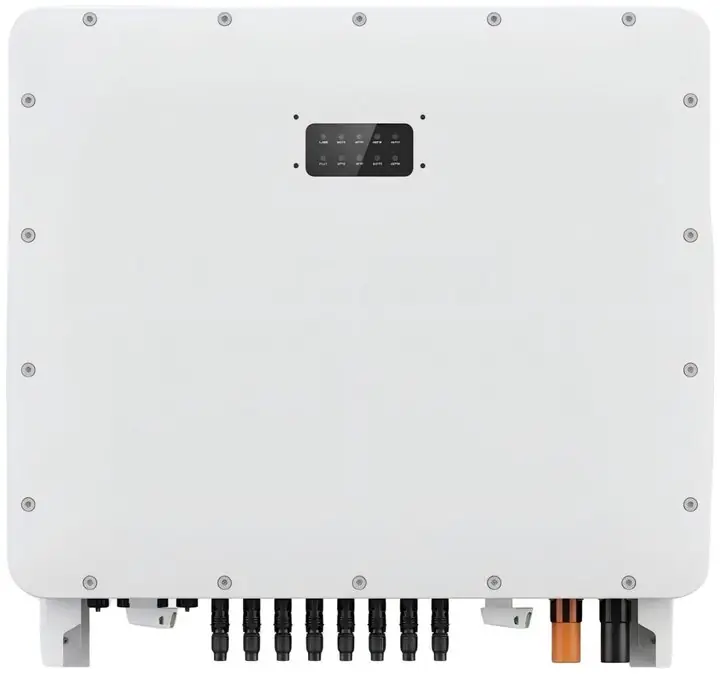
HELZ 500 kW hybrid inverter cabinets
500 kW PCS + 1028kWh BESS

All-in-one Hybrid Energy Storage System, integrating MPPT, PCS, STS and isolation transformer + N * Battery Cabinet.

  • 120-500 kW loads
  • Max. PV: 960-1440 kW
  • 500 kW Hybrid Inverter + 1028kWh/1543kWh/2180kWh BESS
Small factoryFarmWater factory
HELZ 500 kW Hybrid Inverter and 1028–2180 kWh LFP battery cabinets
Tier 3 · MW-Scale

Large & Heavy Industrial

2.5 MW · 5015 kWh class

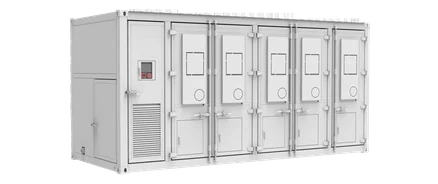
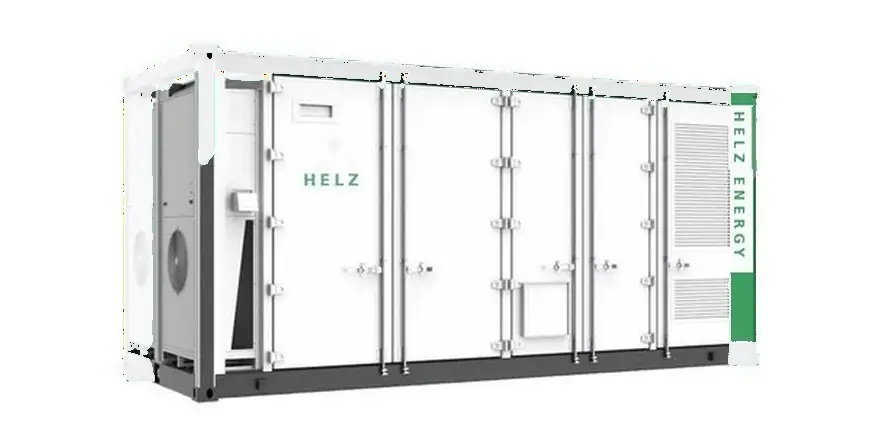
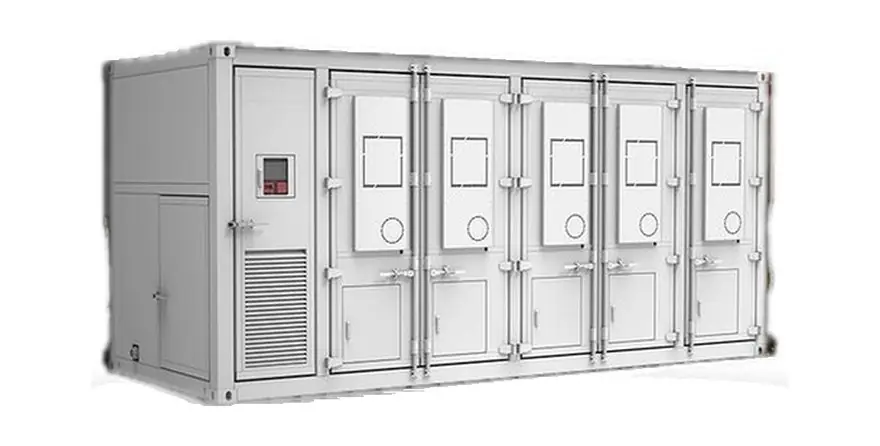
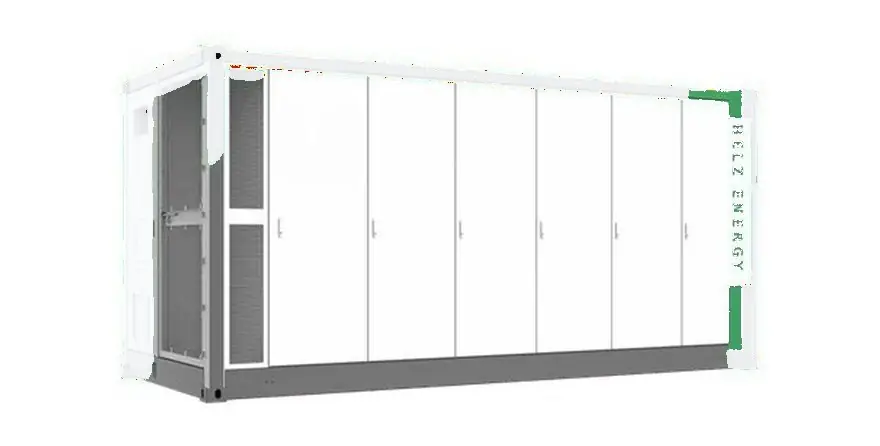
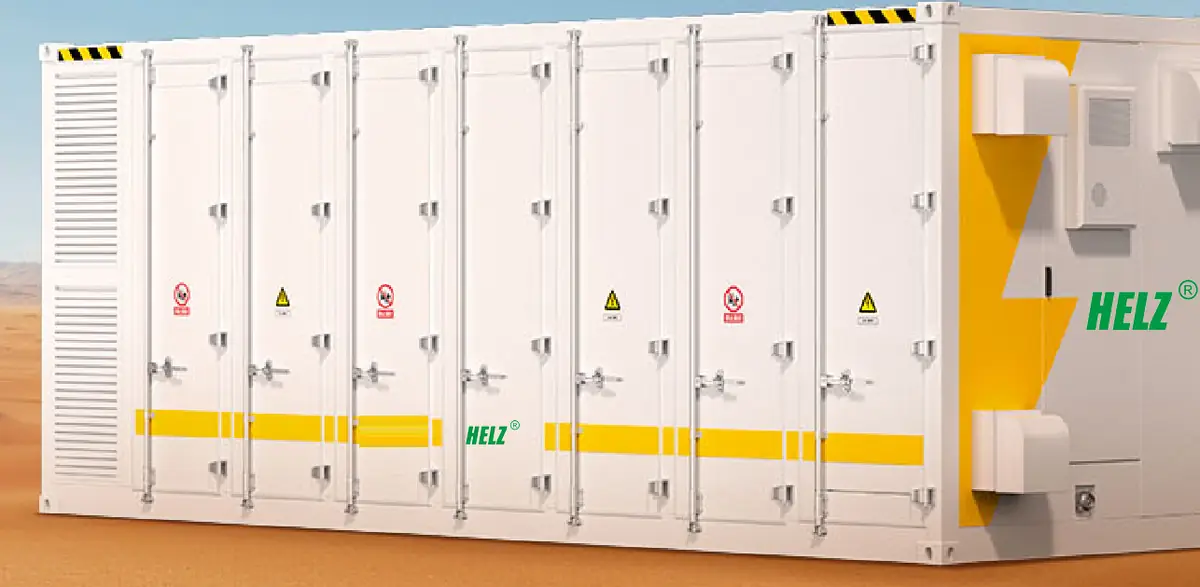
2500 kW / 5015 kWh Containerized ESSAC + DC Container

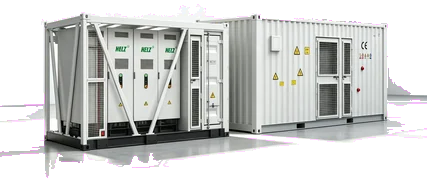
Integrated container pairing a 2.5 MW AC side with a 5015 kWh DC side — one engineered delivery for energy-intensive plants, from design to commissioning.

  • AC Side — rated power: 2500 kW · rated output voltage: 400 V
  • DC Side — 5015 kWh LFP BESS
  • Dimension: 6058 × 2438 × 2896 mm (AC & DC)
Cement plantSteel factoryMining
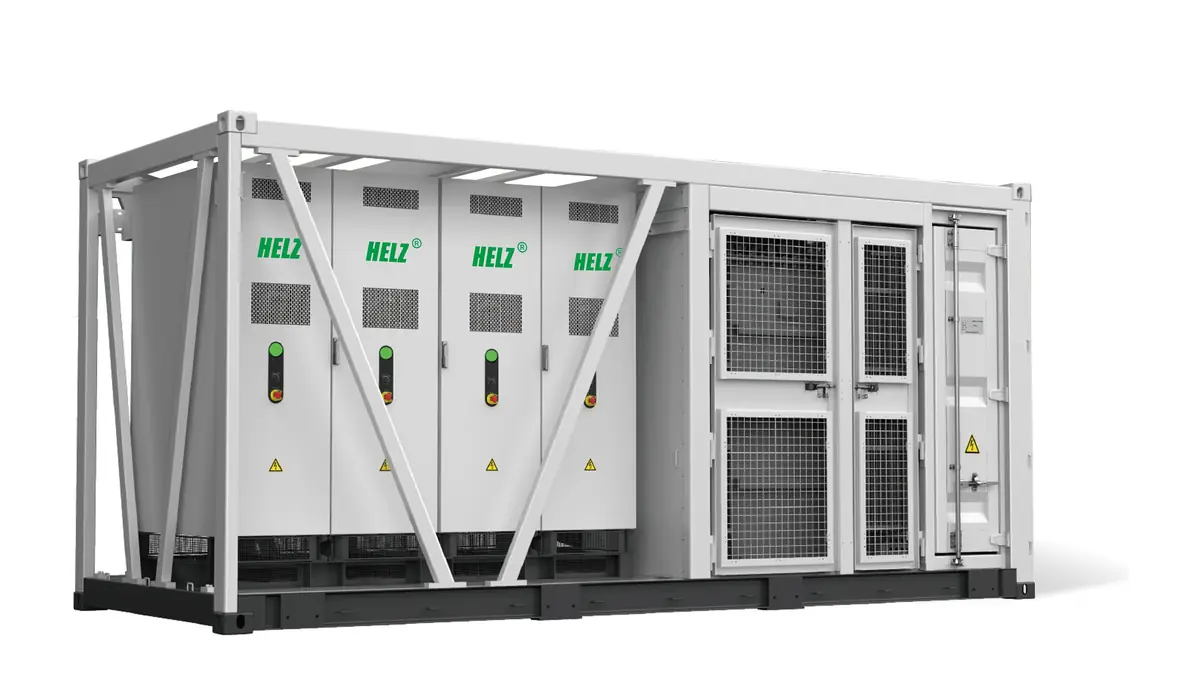
HELZ 2.5 MW AC skid with four PCS cabinets and 5015 kWh DC battery container

Still between two models? Send us your load profile — our engineers will confirm the right fit within 24 hours.

Ask an Engineer
Product Catalog

Products

The full HELZ C&I lineup — click any product to request a datasheet or a quotation.

Cloud Platform

Every Station, Every Cell — One Platform

HELZ pairs each system with an on-site EMS and a fleet-scale cloud platform. Real-time monitoring, intelligent O&M, fault warning and AI-driven energy optimization — out of the box, in your browser and on your phone.

HELZ Cloud Fleet Overview
LIVE --:--
Active Power486.2 kW▲ 3.2% vs yesterday
Battery SOC76%Charging · 1.0 MWh bank
Today's Yield2.84MWh▲ 8.1% vs yesterday
Stations Online12/12All systems nominal
Power & SOC — Last 24 h PVLoadSOC
00:0006:0012:0018:0024:00
StationsSOC
STATION-011.0 MWhOnline
STATION-02500 kWOnline
STATION-03261 kWhCharging
STATION-042.2 MWhOnline
● No active alarms — all 12 stations reportingLast sync 2 s ago

Platform preview — demo data for illustration.

HELZ EMS

On-Site Intelligence

Integrated control platform for C&I energy storage — device management, monitoring, energy control, power distribution and thermal management in one unit.

  • Real-time monitoring of batteries, PCS, cooling units, dehumidifiers and meters
  • Local strategy execution with remote energy dispatch
  • Grid-connected / off-grid switching and load balance tracking
  • Automatic electricity metering and zoned intelligent thermal control
  • Modbus / MQTT data transmission for cloud and 3rd-party integration
System modeMaster / Slave / Standalone
Operation modeLocal / Remote / Regulation / Debug / BMS
Operating range−40 … +85 °C
InterfacesRJ45 · RS485 / RS232 · CAN · DI/DO
SchedulingStrategy intervention / Direct control

HELZ Cloud Platform

Fleet-Scale O&M & Operations

Cloud-based platform on a microservice architecture — no local client required. Open in any browser or mobile app and run your storage assets from anywhere.

  • Refined monitoring from power station to equipment to cell level
  • High-speed acquisition of PCS, battery clusters and cell voltages
  • Intelligent O&M analysis: fault diagnosis, charge–discharge compliance, checklists
  • Rapid remote fault handling — fewer site visits, faster response
  • AI operation tools: dynamic charge–discharge strategies, thermal optimization, battery life prediction and root-cause analysis
ArchitectureCloud-native microservices
Connected devices5,000+ concurrent
Data acquisition1 s – 30 s, configurable
Remote control response100 ms
Data retention2 years
Terminals & languageWeb · Mobile app · Tablet  /  English & Chinese

From Cell to Dashboard in Four Layers

One data path from the field device to the decision maker — no gaps, no silos.

Layer 01 · Field

Devices

PV strings, PCS, battery racks & BMS, meters, cooling and safety units.

Layer 02 · Site

HELZ EMS

Local strategies, thermal control and protection — keeps the plant running even offline.

Layer 03 · Cloud

HELZ Cloud

Fleet data at 1–30 s resolution, AI analytics, alarms and remote control.

Layer 04 · People

Your Team

Owners, EPCs and O&M staff — web, mobile and tablet, anywhere.

5,000+ concurrent devices 100 ms remote control 1–30 s configurable acquisition 2-year data history English & Chinese UI

C&I Owners

See yield, state of charge and alarms for every site — energy visible, assets under control.

EPCs & Installers

Commission faster with local strategies and remote configuration from day one.

O&M Teams

Fault diagnosis and checklists before the site visit — resolve more issues remotely.

Asset Investors

Fleet-wide performance overview across stations on one screen, in two languages.

See the Platform in Action
Get a guided demo with your own project data — no installation required.
Get a Demo
Success Stories

Proven in Production, Not Just on Paper

Nine commissioned projects from our 2025–2026 book — from a single 783 kWh cabinet to 5 MW / 20 MWh storage parks.

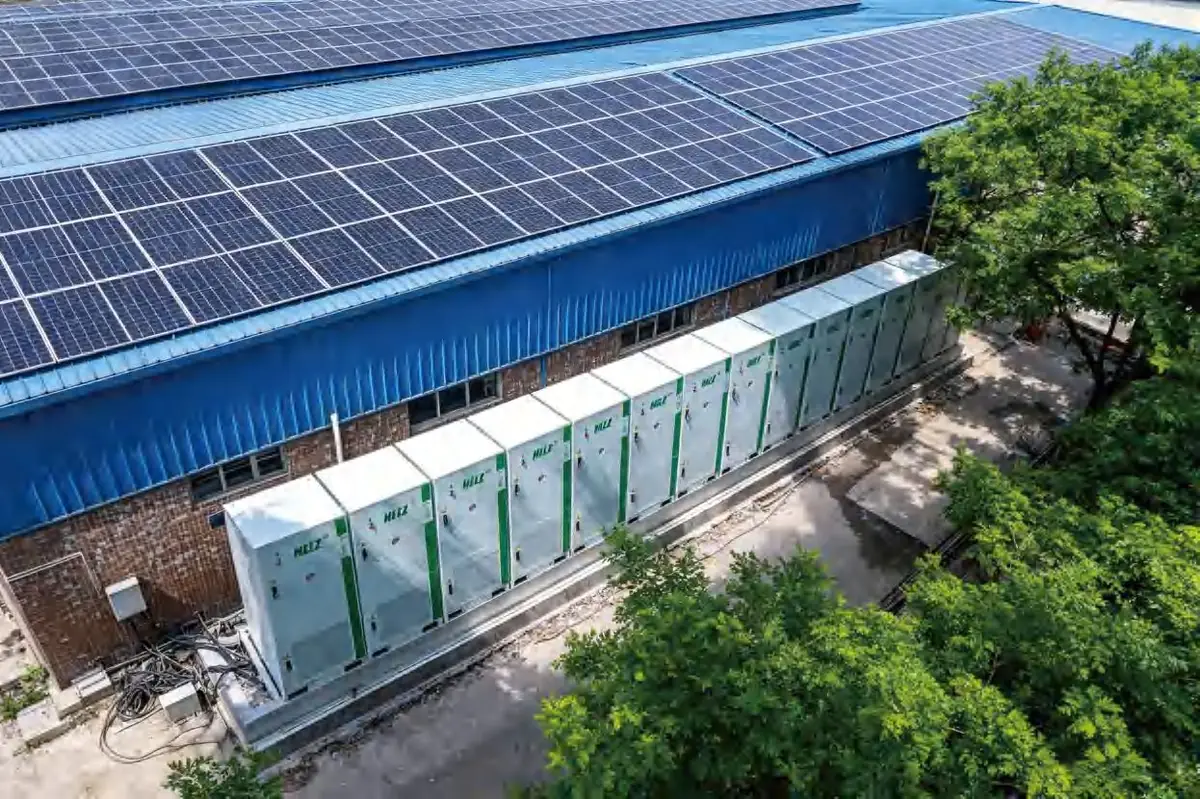
HELZ E100 battery cabinets in a row beside a blue-roof fasteners factory with rooftop PV Peak Shaving
Fasteners Factory · China

2.25 MW / 4.7 MWh Peak-Shaving System

2.25 MW4.7 MWhTurnkey

Challenge. High peak electricity tariffs kept inflating production costs — and any fix could not be allowed to interrupt output.

HELZ Solution. A 4.7 MWh HELZ storage system for strategic peak shaving and load optimization. The turnkey build keeps delivering ongoing savings and tighter operational energy control.

Long row of HELZ battery cabinets under a large rooftop PV array at a car accessories factory Commissioned Jan 2026
Car Accessories Factory · Huadu District

1.5 MW / 3.9 MWh Daily Peak-Shaving System

1.5 MW3.9 MWhDaily Cycles

Challenge. Steep electricity costs at this manufacturing plant in Huadu District called for a practical way to lower operating expenses.

HELZ Solution. Commissioned in January 2026, the 3.9 MWh system performs daily peak shaving — directly cutting demand charges and giving the client predictable, long-term cost control and energy resilience.

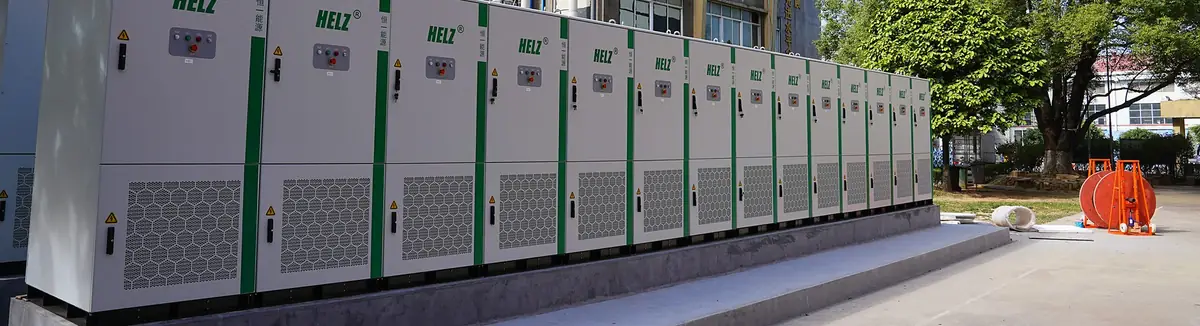
Row of HELZ battery cabinets providing backup power at an industrial site Backup Power
Industrial Site · China

2.4 MW / 6.26 MWh Backup & Stabilization

2.4 MW6.26 MWhBackup Power

Scope. A multi-cabinet HELZ installation sized at 2.4 MW / 6.26 MWh — keeping the site powered through outages while stabilizing its grid supply.

Aerial view of the Huangpu 5 MW / 10 MWh HELZ storage project
Huangpu Project5 MW / 10 MWh
Aerial view of container units at the Hunan 5 MW / 20 MWh HELZ storage project
Hunan Project5 MW / 20 MWh
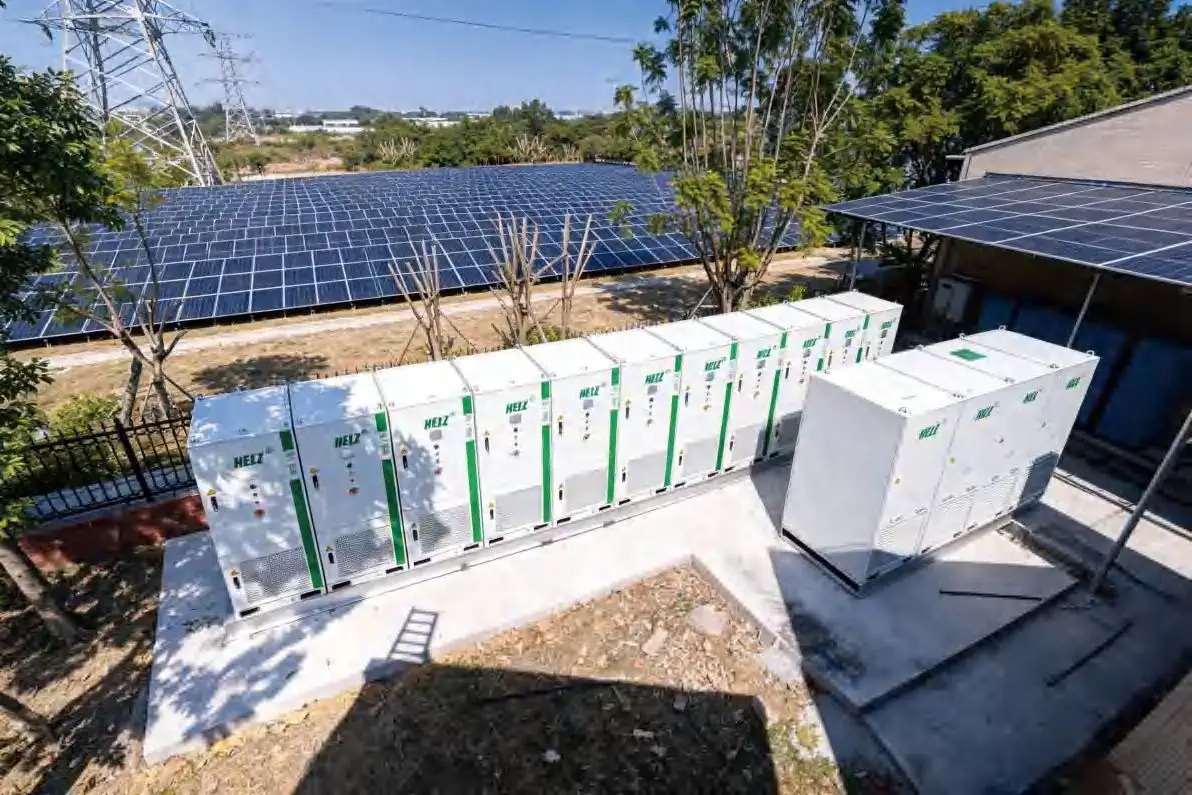
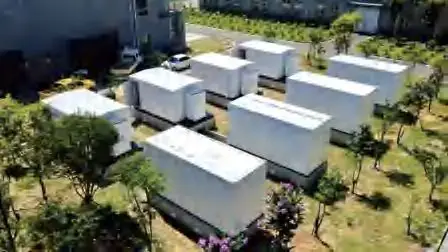
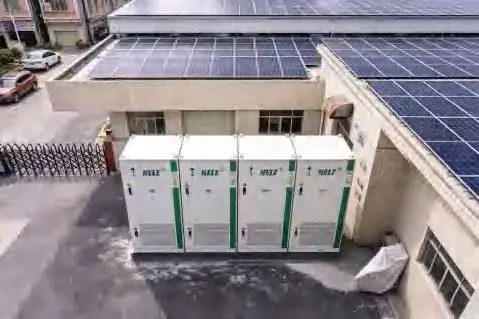
HELZ cabinets with PV at Dongguan Industrial Park, 1.04 MWh
Dongguan Industrial Park1.04 MWh
HELZ cabinet row at Huadu Lighting Factory, 1.3 MWh
Huadu Lighting Factory1.3 MWh
Four HELZ cabinets at Myanmar Industrial Park, 783 kWh
Myanmar Industrial Park783 kWh
Four HELZ cabinets at Philippines Precasting Factory, 4 × 522 kWh
Philippines Precasting Factory4 × 522 kWh

Installation Highlights

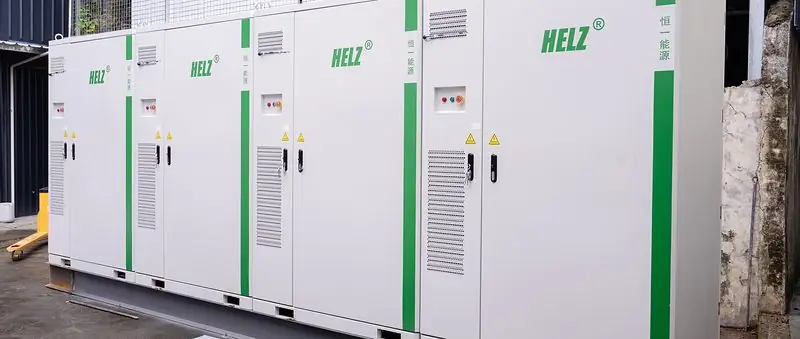
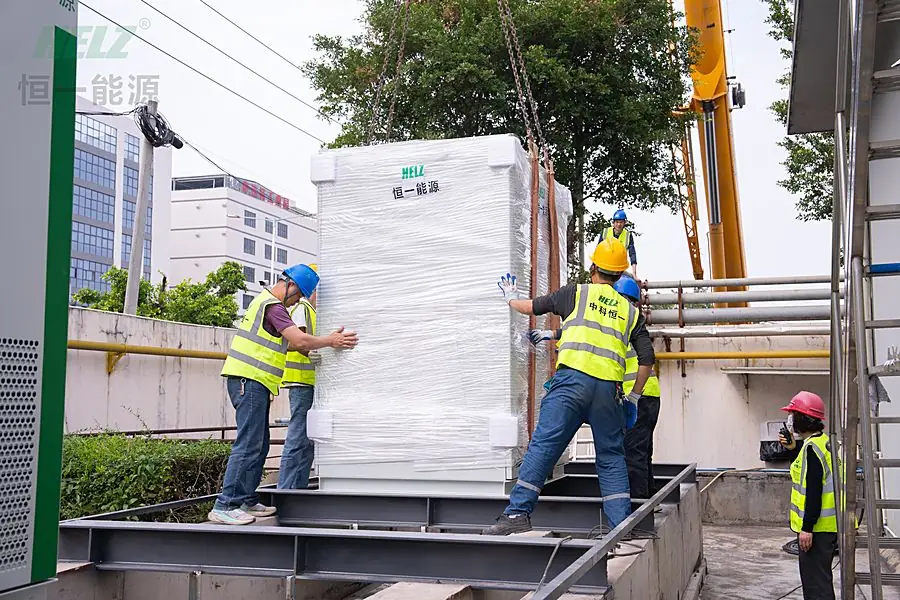
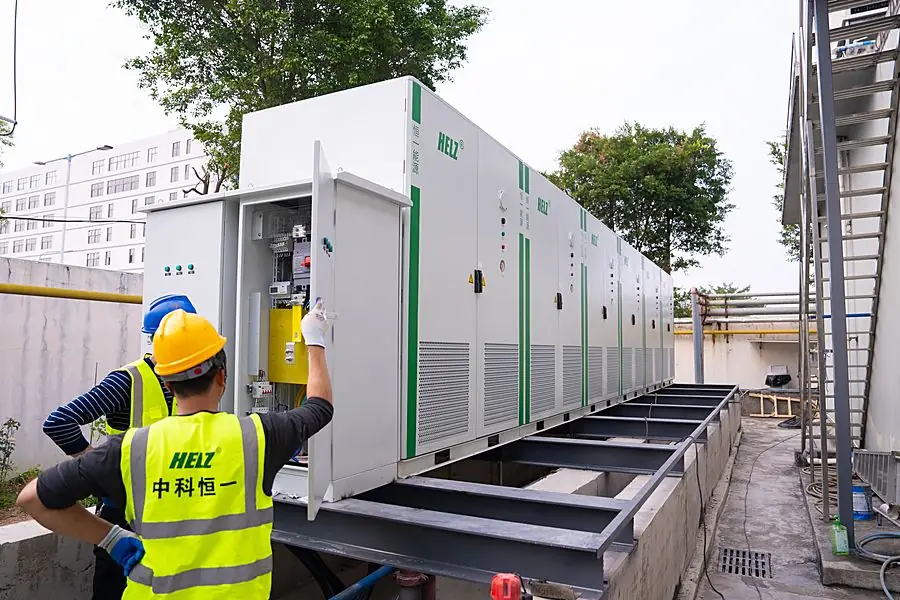
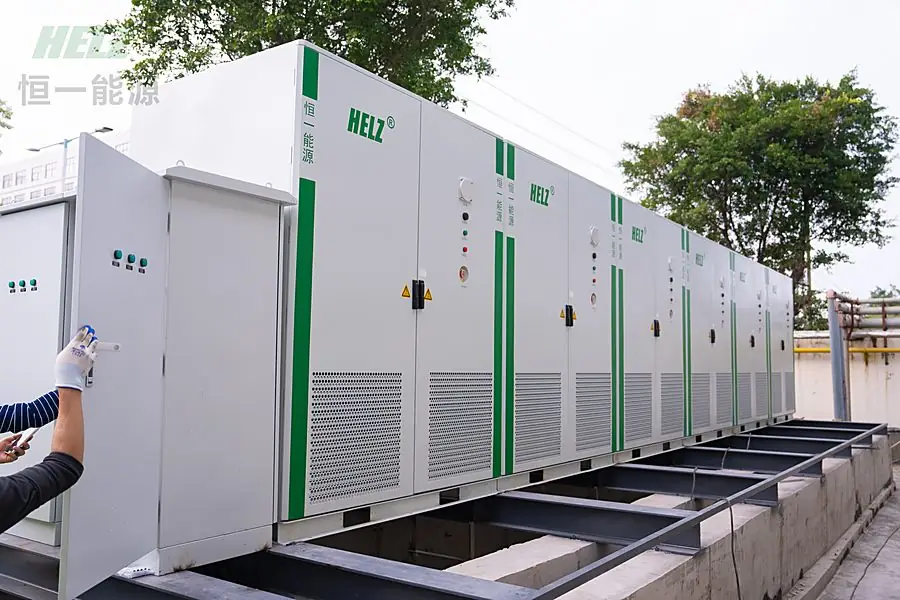
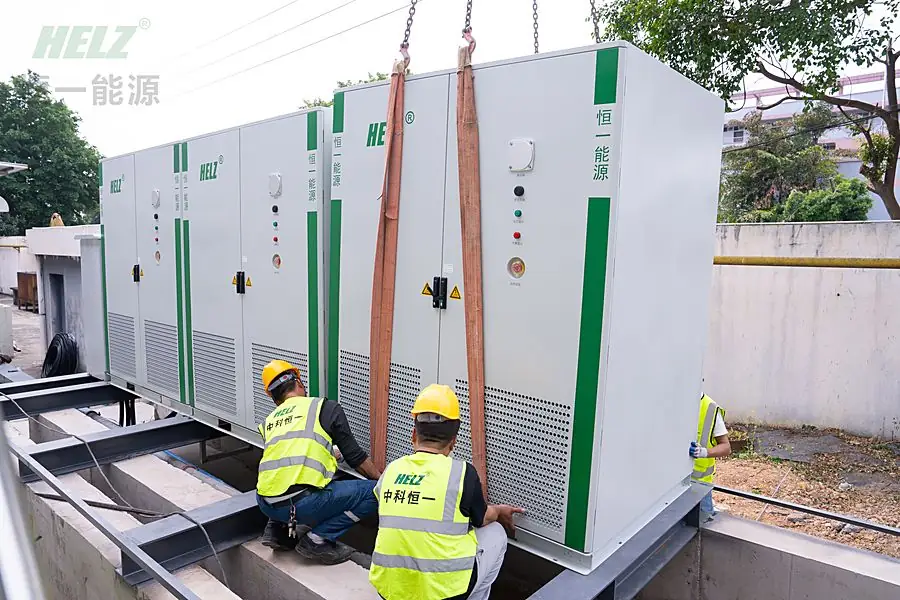
HELZ energy storage cabinet installation on site Cabinet placement and positioning at project site Electrical wiring and commissioning of HELZ cabinets Completed HELZ installation ready for operation

Site photos from commissioned HELZ projects.

FAQ

Questions buyers ask before they sign

Why DC-coupled instead of AC-coupled?
DC coupling lets PV charge the battery through a single conversion path — no redundant AC/DC round-trips. You also skip dedicated PV collection feeders and extra MV transformers, cutting transformer and switchgear cost by up to 50% at scale, while external IP65 MPPTs keep heat out of the main cabinet.

It is the right call when PV and storage are designed as one project from day one — new builds, or sites adding PV and batteries in the same project — because the MPPTs, DC bus and PCS are sized as a single system and every solar kWh takes the shortest route to the load.

It is not the answer for every site: if your plant already runs a commissioned grid-tied PV system, switching it to DC coupling means rewiring the arrays and replacing the inverters — a retrofit cost that usually outweighs the efficiency gain, so AC coupling fits better there. The same goes when PV and storage arrive in separate phases or budgets, or when the existing PV system’s grid-connection approval is tied to its current configuration. Share your site conditions and PV status with us, and we will recommend the topology that actually fits.
DC coupling vs. AC coupling — what is the difference?
DC coupling: PV and the battery connect on the same DC bus before any conversion — one solar kWh reaches the battery through a single conversion path, which is why round-trip efficiency is highest and hardware count lowest. This is the architecture shown in the topology above. AC coupling: PV gets its own grid-tied inverter and meets the battery on the AC bus — every PV kWh bound for the battery crosses two or three conversions, but the PV part can be added to an existing AC system without touching it. Rule of thumb: new build with PV + storage → DC-coupled; retrofitting PV onto an existing AC system → AC-coupled.
DC-COUPLED — ONE SHARED DC BUS PV DC MPPT Hybrid PCS AC Load / Grid Battery PV → battery: 1 conversion path — highest round-trip efficiency Best for new-build sites adding PV + storage together AC-COUPLED — EVERYTHING MEETS ON THE AC BUS PV DC Inverter Load / Grid Bi-inverter Battery PV → battery: 2–3 conversions — more round-trip losses Common for adding PV to an existing AC system
What can <20 ms switchover actually protect?
Anything that cannot tolerate a blackout: irrigation pumps, cold-chain compressors, IT and communication rooms, medical devices, production lines. The built-in thyristor STS moves between grid, diesel and battery within 20 ms — faster than most equipment can even detect an interruption — and tolerates 110% overload for 10 minutes for motor inrush.
Does it work with my existing diesel generator?
Yes. The cabinet provides a 220 VAC dry-contact generator interface for automatic start/stop and coordinates through the STS/ATS. PV and battery take priority, so the generator only runs when needed — typically cutting fuel consumption dramatically versus diesel-only operation.
What is a microgrid — and when does my site need one?
Per the U.S. Department of Energy definition, a microgrid is “a group of interconnected loads and distributed energy resources within clearly defined electrical boundaries that acts as a single controllable entity with respect to the grid” — it can connect and disconnect from the utility to run in grid-connected or island mode. Consider a microgrid when your site combines (1) an unreliable, weak or expensive grid, (2) on-site generation such as PV, and (3) loads that must keep running through outages. The HELZ all-in-one cabinet is built as the energy core of exactly such a system: PV, battery, genset and STS share one AC bus and island automatically when the grid fails.
What do CAPEX, OPEX and ROI mean in a storage project?
CAPEX (capital expenditure) — the one-time upfront investment: cabinets, PV modules, shipping and installation. OPEX (operational expenditure) — the ongoing cost of running the system: maintenance, service and connectivity. ROI (return on investment) — how fast the project pays back, usually expressed in years: total savings divided by total cost. A related metric is IRR (internal rate of return), the annualized return used to compare storage against other uses of capital. Send us your load profile and we will return a free ROI estimate with both figures — no obligation.
Can you tailor the solution to my site?
Yes. Share your load profile and grid conditions and we will return a free system design with sizing and ROI estimate. Configurations scale from single cabinets for farms and shops to multi-cabinet sites for factories, with external MPPT units sized 150 or 200 kW per cabinet (200–900 V MPPT range, up to 16 PV strings), and CE / UN38.3 / MSDS documentation for export.
Get Started

Start building your energy independence today

Send us your load profile — we'll return a free system design with sizing, dispatch strategy and ROI estimate within 24 hours.

  • Free system sizing & ROI estimate — no obligation
  • One-cabinet delivery: install in hours, commission in a day
  • Export-ready: CE, UN38.3, MSDS & sea-transport certified

Planning a commercial energy storage project?

Tell us about your site — our engineers reply within 24 hours.

We reply within 24 hours · Your information stays confidential

Request received!

Our engineering team will get back to you within 24 hours with a tailored design.